Signs your furnace needs immediate attention
Your furnace works harder than almost any other system in your home during the cold months, and when it starts showing signs of trouble, you need to recognize them quickly. We’ve seen too many homeowners in Estacada and the surrounding areas wait until their heating system fails completely on a freezing January night before calling for help. By then, what could have been a straightforward repair often becomes a more costly emergency service call.
The most common warning signs include unusual noises like banging, rattling, or squealing sounds coming from your unit. These noises typically indicate mechanical problems such as a worn blower motor belt, loose components, or failing bearings. If you hear these sounds, it’s time to schedule furnace repair before the issue worsens. Another telltale sign is uneven heating throughout your home. When some rooms stay cold while others are comfortable, you’re likely dealing with airflow problems, duct issues, or a failing blower motor.
Rising energy bills without a corresponding increase in usage are another red flag. A furnace that’s struggling to maintain temperature will run longer cycles, driving up your utility costs. We regularly help homeowners who thought their bills were just reflecting the harsh Oregon winter, only to discover their heating system was operating at reduced efficiency due to a clogged filter, faulty thermostat, or worn heat exchanger. In Estacada’s damp climate, moisture can also affect electrical components and controls, leading to intermittent operation or complete failure.
Yellow or flickering pilot lights in older gas furnaces signal a serious concern. A healthy pilot light should burn blue; a yellow flame suggests incomplete combustion and potential carbon monoxide production. If you notice this, turn off your furnace immediately and contact us for HVAC repair. Similarly, if your furnace cycles on and off frequently without reaching the set temperature, you’re dealing with short cycling, which can stem from thermostat problems, oversized equipment, or restricted airflow. Regular heating maintenance helps prevent these issues, but when they do occur, prompt professional attention protects both your comfort and your investment.
What happens during a professional furnace inspection
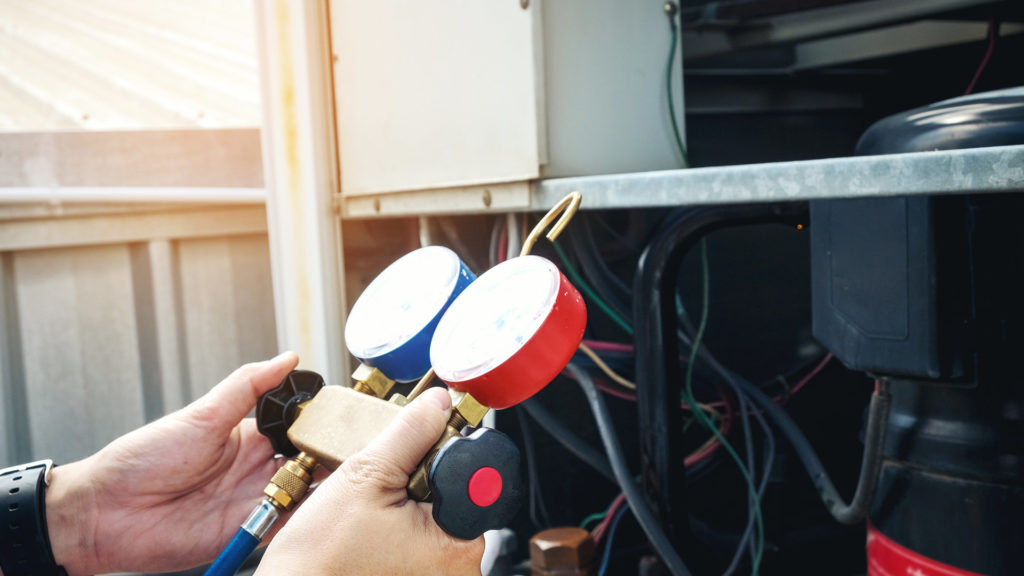
When you schedule a furnace inspection with our team, you’re getting a thorough evaluation that goes far beyond a quick visual check. We begin by testing your thermostat to verify it’s communicating properly with your heating system and maintaining accurate temperature readings. Thermostat repair or recalibration is often a simple fix that restores proper function and prevents unnecessary furnace cycling. From there, we inspect all electrical connections, tightening any loose wires and checking for signs of corrosion or wear that could lead to failure.
The heat exchanger receives special attention during every inspection. This critical component separates combustion gases from the air that circulates through your home, and any cracks or deterioration pose serious safety risks. In our experience serving homes around Estacada, where furnaces run steadily from October through April, heat exchangers can develop stress cracks over time. We use specialized inspection tools to identify these issues before they become dangerous. We also examine the burner assembly, cleaning away any buildup that could affect combustion efficiency or create uneven heating.
Airflow assessment is another essential part of the inspection process. We check your blower motor, fan belt, and all ductwork connections to ensure your heating system is distributing warm air efficiently throughout your property. Restricted airflow not only reduces comfort but also forces your furnace to work harder, increasing wear and energy consumption. We measure static pressure in your duct system and inspect filters, recommending replacement if they’re clogged with dust, pollen, or the moisture-laden debris common in our Pacific Northwest climate.
Finally, we test all safety controls and switches, including the limit switch, pressure switches, and flame sensor. These components protect your home by shutting down the furnace if unsafe conditions develop. We also verify proper venting to ensure combustion gases exit your home safely. By the time we complete our inspection, you’ll have a clear understanding of your heating system’s condition and any recommended repairs. This proactive approach to HVAC maintenance helps you avoid unexpected breakdowns and extends the life of your equipment.
How professional furnace repair can save you money
Many homeowners view furnace repair as an unwelcome expense, but addressing problems promptly actually saves you substantial money over time. When your heating system operates with worn or failing components, it consumes significantly more energy to produce the same amount of heat. We’ve measured efficiency drops of 15 to 25 percent in furnaces with dirty burners, failing blower motors, or clogged air filters. Over a typical Estacada heating season, that inefficiency translates to hundreds of dollars in wasted energy costs.
Small problems rarely stay small when it comes to furnace repair. A worn blower motor belt that costs under fifty dollars to replace can lead to complete blower motor failure if ignored, resulting in a repair bill ten times higher. Similarly, a malfunctioning limit switch might cause your furnace to overheat, damaging the heat exchanger and potentially requiring a full system replacement. We regularly help customers who wish they’d addressed minor issues sooner, before they cascaded into major failures. The pattern is consistent: proactive heating system repair costs less than reactive emergency service.
Professional HVAC repair also protects your manufacturer’s warranty. Most furnace warranties require regular professional maintenance and timely repairs using proper parts and procedures. Attempting DIY fixes or delaying necessary repairs can void these warranties, leaving you responsible for the full cost of future problems. When we perform heating maintenance or repairs, we document all work and use manufacturer-approved parts, preserving your warranty protection and ensuring optimal performance.
Energy efficiency improvements from proper furnace repair extend beyond immediate utility savings. A well-maintained heating system maintains more consistent temperatures, reducing the hot and cold cycles that stress your ductwork and drive up wear on other components. You’ll also notice improved indoor air quality, as properly functioning furnaces filter and circulate air more effectively. For commercial properties, these benefits multiply across larger spaces and longer operating hours, making professional HVAC maintenance and timely repairs essential to controlling operational costs.
Preventing furnace breakdowns through regular maintenance
Understanding the most frequent furnace problems helps you recognize issues early and make informed decisions about repairs. Ignition system failures top the list of service calls we receive during the heating season. Modern furnaces use electronic ignition systems that can fail due to electrical issues, sensor problems, or component wear. When your furnace won’t start or starts intermittently, we typically begin our diagnostic process by testing the ignition system and flame sensor. In Estacada’s damp conditions, moisture can affect these sensitive electronic components, particularly in furnaces installed in basements or crawl spaces with inadequate vapor barriers.
Airflow restrictions cause a surprising number of heating problems. Dirty air filters are the simplest culprit, but we also find collapsed ductwork, closed or blocked vents, and failed blower motors. When airflow is restricted, your furnace can’t distribute heat effectively, leading to cold spots, longer run times, and increased wear on the blower assembly. We’ve seen filters so clogged with dust and debris that the furnace couldn’t pull enough air for proper combustion, causing the system to shut down on safety limits. Regular filter changes prevent this problem, but once airflow issues develop, professional HVAC repair restores proper operation.
Thermostat malfunctions account for many service calls that initially seem like furnace failures. When your heating system doesn’t respond to temperature adjustments or runs constantly without reaching the set point, the thermostat is often at fault rather than the furnace itself. We test thermostat calibration, wiring, and sensor accuracy during every diagnostic visit. Older mechanical thermostats can drift out of calibration, while newer digital models sometimes lose their programming or develop communication errors. Thermostat repair or replacement is typically straightforward and immediately restores proper temperature control.
Mechanical wear affects belts, bearings, and motors over time, particularly in furnaces that run heavily during our cold months. Squealing or grinding noises signal bearing wear, while slapping sounds often indicate a loose or deteriorating blower belt. These mechanical issues rarely fix themselves and generally worsen rapidly once symptoms appear. We carry common replacement parts and can often complete these repairs during the initial service visit. Whether you need heating system repair for a specific problem or comprehensive HVAC maintenance to prevent issues, addressing mechanical wear promptly prevents more extensive damage and keeps your home comfortable throughout the heating season.
Why choosing qualified professionals matters for furnace repair
Regular heating maintenance is the single most effective way to avoid unexpected furnace breakdowns and extend the life of your heating system. We recommend scheduling annual inspections before the cold weather arrives in Estacada, typically in early fall. This timing allows us to identify and repair potential issues before you’re relying on your furnace daily, and it avoids the scheduling rush that happens once temperatures drop in October and November.
During these preventive visits, we perform essential tasks that keep your system running efficiently. We clean the burner assembly and heat exchanger, check the blower motor and belt for wear, test safety controls, and verify proper airflow throughout your ductwork. In this region, where homes may go weeks without needing heat during milder fall periods followed by sudden cold snaps, dust and debris can accumulate in idle systems and cause ignition problems when you finally turn the heat back on. Regular cleaning prevents these issues.
We also calibrate your thermostat during maintenance visits to ensure accurate temperature readings and efficient cycling. Many homeowners don’t realize their thermostat might be reading two or three degrees off, causing their furnace to run longer than necessary. This wastes energy and increases wear on components. Additionally, we inspect and replace air filters, which is particularly important in areas with wood stoves and fireplaces where airborne particulates can clog filters faster than average.
The return on investment for preventive maintenance is substantial. Systems that receive annual service typically last three to five years longer than neglected units, and they operate 15 to 20 percent more efficiently. That efficiency translates directly to lower utility bills throughout the heating season. We’ve also found that customers who maintain regular service schedules rarely experience emergency breakdowns during the coldest weeks of winter, when repair costs are highest and comfort is most critical.
If your furnace hasn’t been inspected in over a year, now is the time to schedule that service. We can identify small issues before they become major repairs, keep your system running at peak efficiency, and give you confidence that your heating system will perform reliably when you need it most. Contact us to arrange a thorough maintenance inspection that protects your investment and your comfort.